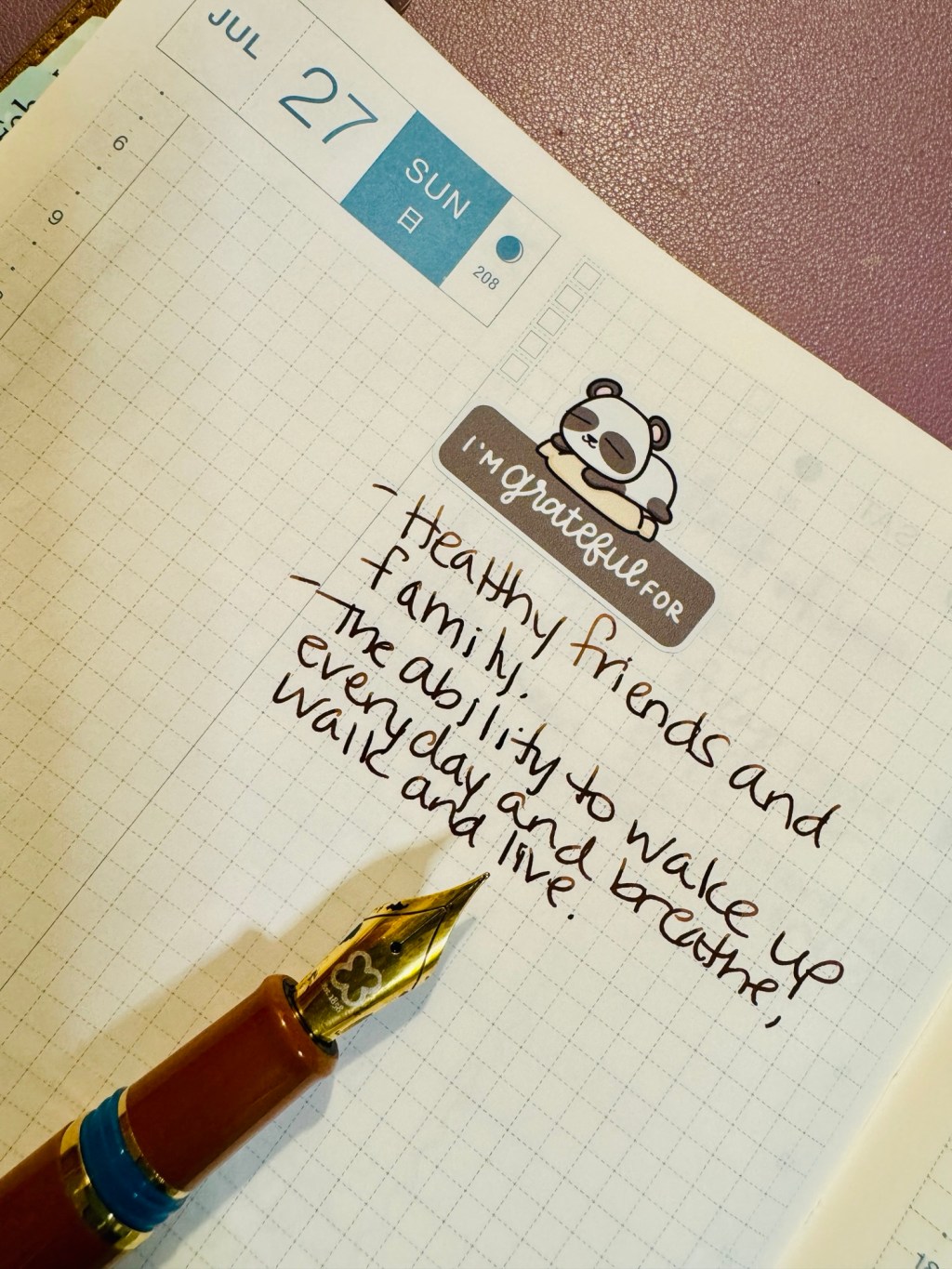
Getting Back to the Fun of Writing by Hand
Handwriting used to be a big deal—a sign of education and style—but these days it’s easy to forget about it with all the texting and emailing we do. Writing a letter or leaving a quick note isn’t as common as it once was. Still, whether you want to tidy up your handwriting for yourself, work, or just for fun, it’s totally doable and worth the effort. Changing your writing habits can take a little time and patience, but if you like using a nice pen (and you know I do!) and seeing your own words on the page, you’ll probably find it pretty rewarding.
Why Good Handwriting Matters
Handwriting isn’t just about getting your thoughts on paper—it’s actually pretty personal. It shows a bit of who you are, and it can even feel kind of artistic when you get into it. In a world packed with emails and texts, getting a handwritten note stands out and feels special. Whether it’s a thank you, a quick message, or even something you jot down for yourself, putting pen to paper brings a little more connection, both with others and with your own thoughts.
Why Bother Improving Your Handwriting?
- Clarity and Legibility: Clear handwriting ensures your message is understood without effort.
- Therapeutic: Writing by hand can be calming and offers a helpful break from digital devices, giving you a chance to step away from screens.
- Enhanced Cognitive Function: Studies show handwriting engages the brain in ways typing does not, improving memory and comprehension. Writing by hand can improve both short-term and longer-term memory because it requires you to use more of your brain.
- Better focus and Concentration: Writing by hand takes more time, therefore allowing you to focus on the content of what is being written. This leads to better retention and understanding of the information.
- Enhanced Creativity: The process of writing by hand can spark creative thinking and mindfulness.
Getting to Know Your Own Handwriting
Before you dive into trying to improve your handwriting, take a second to see what it actually looks like right now. Just jot down a quick paragraph about anything—maybe what you did today, some random thoughts, or even how you feel about your handwriting. That way, you’ll have something to look back on and see how much you’ve improved.
Ask yourself:
- Is it easy to read?
- Are the letters consistently sized and spaced?
- Do you tend to rush and scribble, or do you take your time?
- Are there certain letters or connections that look awkward?
This little self-check gives you a better idea of what you might want to work on. When I tried it, I noticed my handwriting mixes print and cursive—so things can get messy if I write fast. My print letters are usually easier to read, so that’s where I put most of my effort when I’m trying to tidy things up.
Essential Tools for Better Handwriting
Though any pen and paper will do for practice, the right tools can make the process more enjoyable and productive.
- Choose the Right Pen: Experiment with different pens—gel, fountain, ballpoint, or felt-tip—to find what feels most comfortable in your hand. A pen that glides smoothly encourages fluid motion and control. I find that the size of the nib makes a difference in the clarity of my penmanship, so I like more fine tips as a preference.
- Select Quality Paper: A smooth, sturdy paper prevents snagging and allows for more legible writing. Lined paper is helpful for keeping your writing straight and evenly sized.
- Consider Grips and Guides: Pen grips or ergonomic pens can help if you experience discomfort. Lined or grid paper can assist with alignment and sizing.
- Worksheets: I found this worksheet to be very helpful, and it is free to download and print. There is also a website called, worksheetworks.com where you can put in “handwriting” in the search bar and practice documents are available for download.
I can share that at first when I was practicing my handwriting, it did feel like I was back in grade school again. The more I practiced and started seeing glimpses of improvement, I let go of my ego and realized that going back to basics is what I needed if I wanted to improve my penmanship.
Fundamentals of Good Handwriting
Posture
The way you sit and hold your pen actually matters quite a bit. Just get comfortable—plant your feet on the floor, keep your back relaxed, and don’t hunch your shoulders. Let your forearm and wrist rest lightly on the table, and don’t grip the pen too tightly. If you’re tense, your hand will get tired and your writing might look a bit stiff.
Word Spacing
Keeping a good amount of space between your letters and words makes your writing much easier to read. Try not to squish your letters together or space things out too much. If it helps, you can lightly draw some pencil lines to keep yourself on track. Making sure your writing stays lined up and looks even just makes everything look a lot nicer.
Exercises to Improve Handwriting
Practice Makes Perfect
Before I start my practice, I like to shake out my hand to help me get loose. I found that the more relaxed I am when writing, the better my handwriting tends to look.
- You can practice drawing loops, circles, vertical lines, and zigzags.
- Write the alphabet in both upper and lowercase slowly and deliberately.
- Trace over printed examples of handwriting you wish to emulate. Muscle memory helps a lot here.
- Try spending just 10 or 15 minutes a day practicing your handwriting. It doesn’t have to be a big deal—quick, regular sessions work way better than trying to cram it all in at once.
Developing Your Unique Style
You don’t need to copy anyone’s handwriting exactly—just work on making your own easier to read and a bit more you. Once you’re comfortable with the basics, try adding your own twists, like a little flair, a different slant, or even some fun ink colors. Let your style show through in the way you write.
Overcoming Common Challenges
Rushed or Messy Writing
I tend to rush, so if your writing starts looking messy when you’re in a rush, just slow down a bit—even if that means you don’t get as much done. It’s better to focus on neatness first. As you practice more, speed will follow.
Making Handwriting a Habit
I have tried to integrate handwriting into my daily life. I have started keeping a journal (which is the reason I want to improve my handwriting). I plan to send more handwritten notes and write more where I can. These small acts reinforce your practice and make handwriting an enjoyable ritual rather than a chore.
Wrapping up: Why handwriting still matters
Working on your handwriting is really just about taking your time and having a bit of fun with it. As you get into the habit, your letters will get easier to read and you’ll probably feel more comfortable jotting things down. In a world full of texts and emails, slowing down to actually write something by hand is kind of special—it makes what you say feel more personal. So grab a pen, don’t stress about perfection, and let your handwriting show a bit of who you are. If you are anything like me, just go out and buy LOTS of pens and try them all!
I wish you well on your journey to better handwriting!
 Opulent Inkwell
Leave a comment