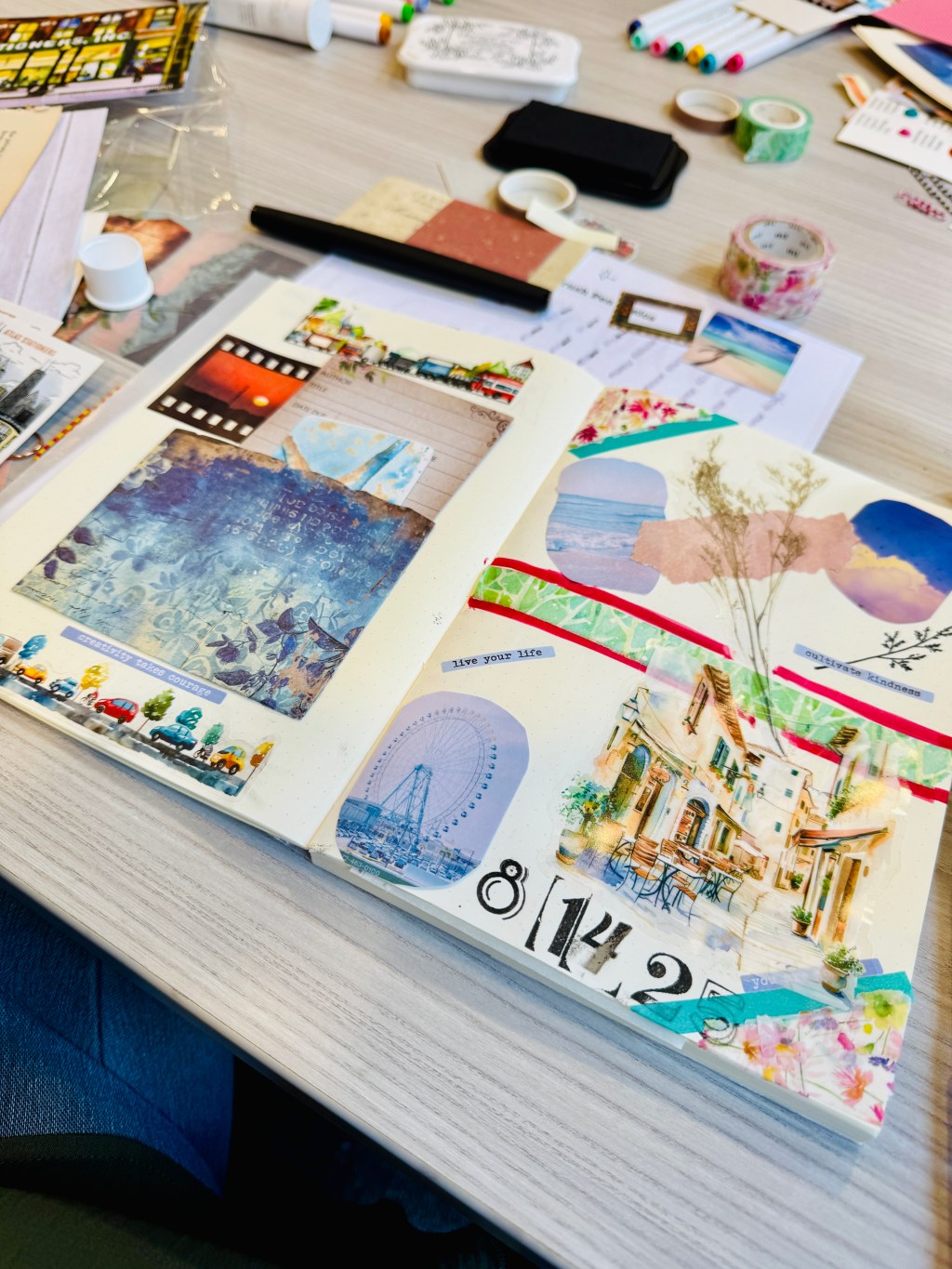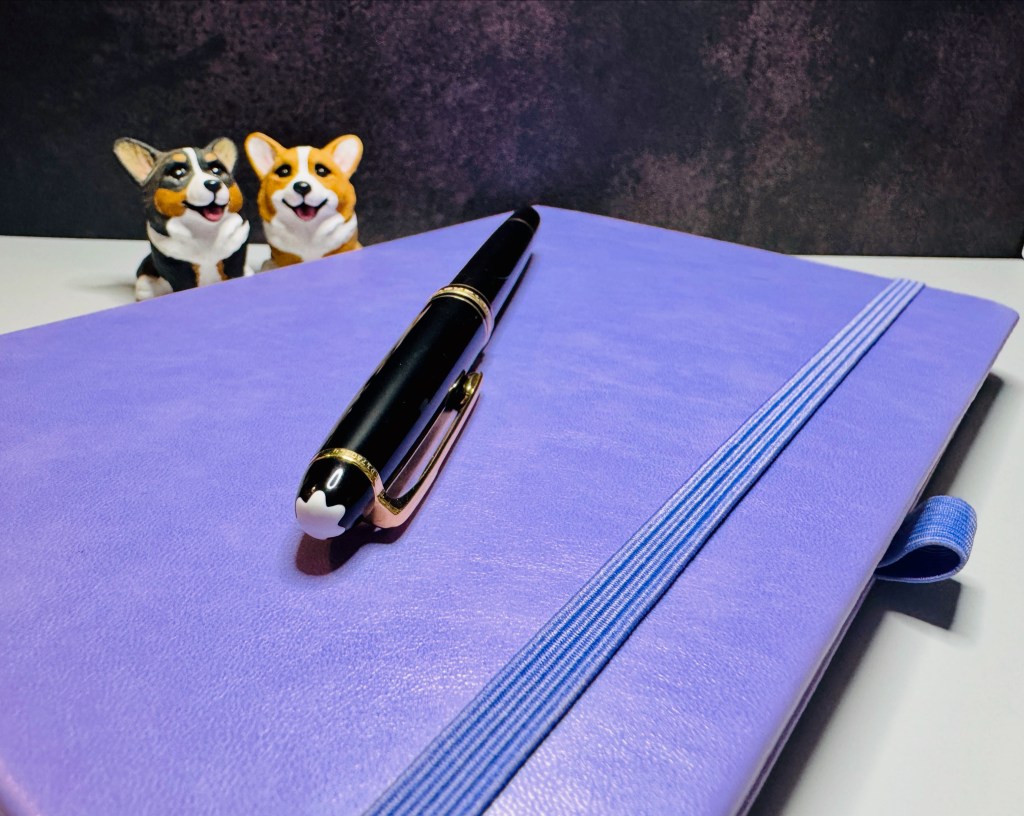
• When a hobby becomes a passion, dare I say obsession?

    How it all Started

    If you have been following my blog, you have read that I have been a person in love with all things paper and pens since I was a young child. I have always enjoyed that initial opening of a new notebook, unwrapping a pen and getting it to work. Realizing the possibilities are endless on what can be done with these items. I am an avid reader, a person who attempts to do art (with varying degrees of success) but enjoys it none the less. I am really someone who tries to get creative juices flowing. Creativity has always been a thread running through my life.

    Now that I am in my fifties, I had pushed a lot of my passion aside in pursuit of all things work and life related. I went to school and continued to go to school because I love to learn, but now that I have the degrees that I have, a bachelors, Master of Business Administration and a Master of Science my only next step is to go for a PHD which I do have interest in doing (maybe). BUT now I have filled that time that was once dedicated to studying with my passion for journaling, fountain pen collection, and blogging. Maybe school will have to wait? This shift has reminded me of the importance of making space for creativity and personal interests, even as life grows busier.

    Stationery Subscriptions

    For those who have been journaling a while, you have probably have this all figured out. I do not. There I said it. I am trying to find my style, and, in the meantime, I am subscribing to anything and everything that is allowing me to sign up. These websites have amazing products and since they are small businesses, the demand for their goods outweighs the availability, thus making it super competitive to purchase their items – which are so incredible. I think this, in part, has led to my obsession. If you are not careful, you can really end up spending WAY more than you intended to on these adorable, must have items.

    Here is a list of shops that I frequent:

    There are so many more, but these are among my favorites!

    Building Up Your Inventory

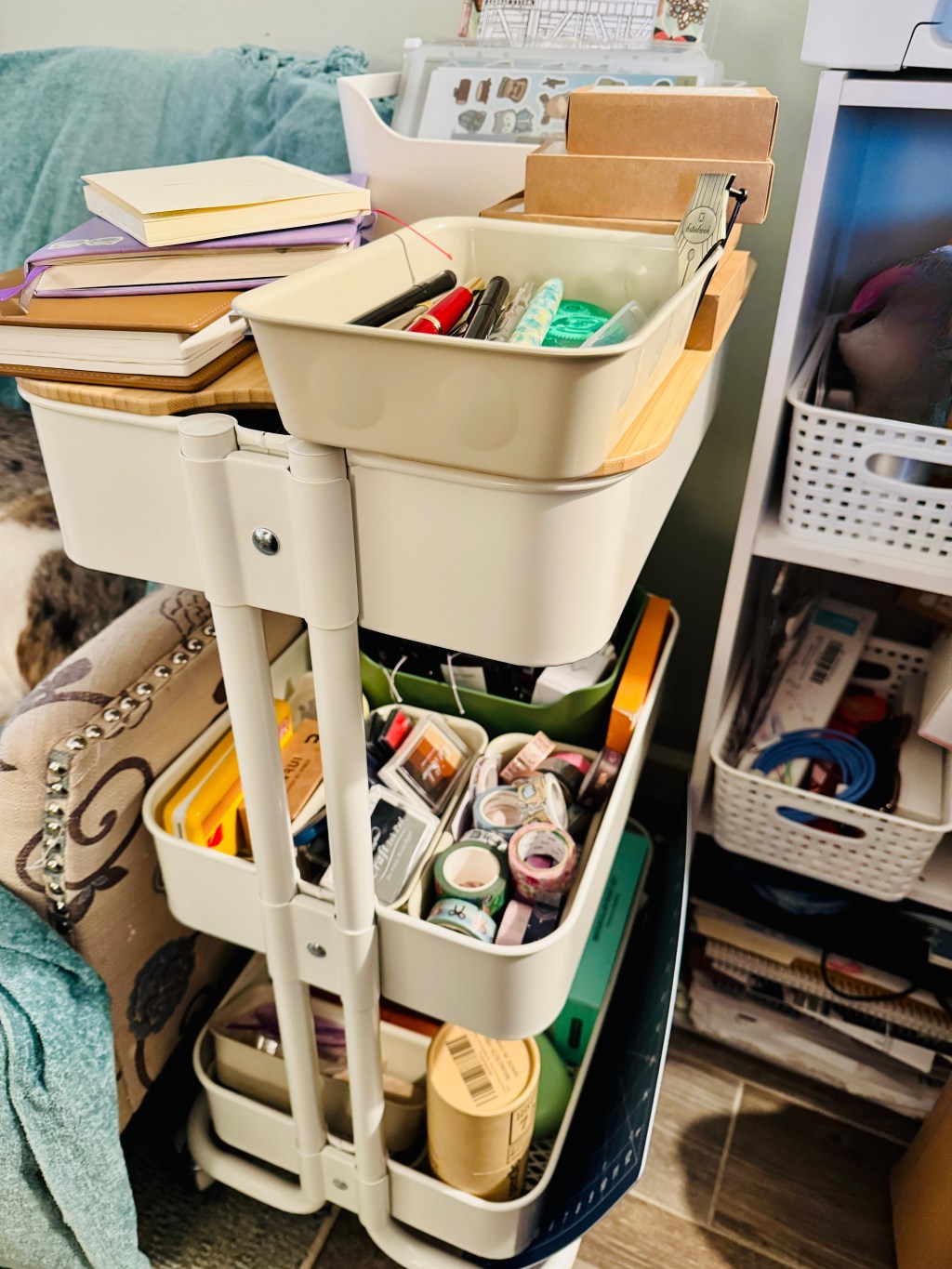
    Nobody told me that once I became obsessed with all things journaling, fountain pens, paper, inks, ink pads, stickers, scissors, washi tape, etc. that this would become an expensive hobby! Well, I think there are more reasonable people out there than me, because I have to have ALL the things, and I must have them now. I get things I have forgotten I have purchased because I have bought things that are being shipped from China and with all the tariff business, shipping is taking some time.  I may have to institute some sort of log (yes I will need a new journal for this) of my purchases! Can you see where I can justify just about anything?

    Just this week, I went through all my fountain ink and HAD to get a Midori pocket notebook so I could log every color.  I also HAD to buy some stamps that included what looked like an empty ink bottle, so I could sample the ink on the pages. The log has already come in handy!

    Reflection

    I will save you the rest of my crazy spending habits, but I do not think I am alone. When the world feels chaotic, taking time to reflect in my journal helps ground me. The simple act of putting pen to paper is therapeutic, offering a space to process my thoughts and emotions. This creative outlet has helped me manage stress and improve my mood.

    Equally important is the sense of community I’ve found online, especially on Instagram. Connecting with fellow stationery enthusiasts has shown me that I’m not alone in my passion (or my spending habits!). Sharing favorite finds and creative ideas has deepened my appreciation for this hobby and made the experience even more rewarding.

    Conclusion

    If you’re drawn to journaling or collecting stationery, embrace it! These hobbies can nurture creativity, boost your mental health, and connect you with a supportive community. Whether you’re just starting out or refining your style, remember that the journey is just as meaningful as the finished pages. Happy inking, friends—may your pens be smooth and your notebooks ever inviting.

    Here is a list of shops that I frequent

  • How to Choose the Perfect Planner

    It is that time of year again to start planning for 2026! This year in preparation of purchasing a planner for the upcoming year, I have been doing some research into the different planners that are out there and what makes them unique. The Hobonichi was just released today, September 1st and the Sterling Ink is launching on Friday, September 5th. So those were my top two contenders, so I thought I would share some information I was able to find!

    These days, life moves pretty fast, so staying organized can really make a difference. Having a good planner by your side can help you keep up with appointments, deadlines, and your own goals. But with so many planner brands out there, how do you pick the one that’s right for you? Let’s take a look at some popular options and what makes each one special.

    Hobonichi

    Hobonichi Techo 2026 Official Website

    One of the standout features of the Hobonichi Techo is its use of Tomoe River paper.  The paper was a big deal for 2025 and is something people are paying close attention to for 2026. This ultra-thin yet durable paper is known for its smooth texture and ability to handle various types of ink without bleeding. The planner’s compact size makes it easy to carry around, while the lay-flat binding ensures a comfortable writing experience. I started using my Hobonichi mid year this year and like it ok.  The paper on the 2025 bleeds which is why the paper is such a big deal for the 2026 version. I learned the hard way that the Tombow markers which are waterbased are not compatible with the 2025 version.

    The Hobonichi Techo comes in several formats, including the Original (A6), Cousin (A5), and Weeks. Each format offers different layouts, such as daily, weekly, and monthly views, allowing users to choose the one that best fits their planning style. The planner also includes unique features like daily quotes, yearly overviews, and ample space for notes and sketches.  I chose the Cousin A5 and have ordered the 2026 version.  I haven’t committed to using Hobonichi just yet because I want to check out others, but I will have it early this week.  Sadly I don’t have a local shop where I live that allows me to put my hands on one without ordering online.

    The Hobonichi Techo has high-quality materials, thoughtful design, and endless customization options which make it a favorite among planner enthusiasts worldwide. There are tons of different templates, online tutorials and online users who swear by the Hobonichi, so if you’re looking for a planner that can adapt to your unique needs and inspire you to stay organized, the Hobonichi Techo is definitely worth considering. I am willing to give it another shot.

    Sterling Ink

    Sterling Ink

    The Sterling Ink is the planner I am most excited about.  I will also be ordering this one as well to compare with the Hobonichi. They have changed things up for 2026 with the order of the monthly, weekly and journal orders which is extremely interesting to me. They do offer different versions of vertical and horizontal options as well. The Sterling Ink does have a hard cover; however, I am not sure how I feel about the hard cover. It does lay flat, so maybe the hard cover is a non-issue? I am willing to take a look and see what I think about it.

    One of the first things you’ll notice about the Sterling Ink Planner is its beautiful design. Inspired by the forms of nature, the planner features detailed artwork and illustrations that add a touch of elegance to your daily planning routine. The covers are available in various designs, allowing you to choose one that resonates with your personal style.

    The planner’s layout is designed to help you stay organized and focused. It includes a yearly calendar, monthly and weekly layouts, and ample space for notes and goal setting. The weekly view features individual columns for each day, with a 12-hour time frame from 6 am to midnight, making it easy to plan your day in detail. Additionally, the planner includes sections for vision boards, goal breakdowns, and quarterly overviews, helping you keep track of your long-term and short-term goals.

    Wonderland 222

    Wonderland 222 Tomoe River Paper Planners and Notebooks – Wonderland222

    The Wonderland 222 Planner really stands out for its gorgeous look and top-notch materials. It has fun, detailed artwork that makes planning each day feel a bit more special. Plus, there are lots of cover designs to pick from, so you can easily find one that matches your vibe.

    The Wonderland 222 Planner is made with great materials, so it feels solid and holds up well. The paper is super smooth and thick, so you don’t have to worry about your pens bleeding through. Plus, the sturdy cover keeps everything protected, so your planner stays looking good all year long.

    The planner’s layout is designed to help you stay organized and focused. It includes a yearly calendar, monthly and weekly layouts, and ample space for notes and goal setting. The weekly view features individual columns for each day, with a 12-hour time frame from 6 am to midnight, making it easy to plan your day in detail. Additionally, the planner includes sections for vision boards, goal breakdowns, and quarterly overviews, helping you keep track of your long-term and short-term goals. There are no preprinted dailies, which for some may be a deal breaker, but for others may be very enticing.

    Rosy Life Planner

    The Rosey Life Planner – theroseylifeplanner

    The Rosy Life Planner is another brand I am seriously considering.  The 2026 version of the Flow comes in at a whopping 768 pages which includes extra grid notes in the back. They have three colors available: Pink, Almond and Velvet Plum. They come in several sizes, but I am looking at the A5. The paper is 52 GSM Tomoe River Paper which is in line with the other options and  known for its beautiful design and high-quality materials. The planner features intricate and whimsical illustrations that add a touch of elegance to your daily planning routine. The covers are available in various designs, allowing you to choose one that resonates with your personal style.

    The planner’s layout is designed to help you stay organized and focused. It includes a yearly calendar, monthly and weekly layouts, and ample space for notes and goal setting. The weekly view features individual columns for each day, with a 12-hour time frame from 6 am to midnight, making it easy to plan your day in detail. Additionally, the planner includes sections for vision boards, goal breakdowns, and quarterly overviews, helping you keep track of your long-term and short-term goals.

    In summary, choosing the right planner for 2026 comes down to understanding your personal preferences, planning style, and what features matter most to you. Whether you’re drawn to the Hobonichi’s customizable layouts and premium paper, Sterling Ink’s nature-inspired design and structured organization, Wonderland 222’s sturdy materials and flexible layouts, or the Rosy Life Planner’s imaginative illustrations and extensive note pages, each option offers unique strengths. Take time to consider the formats, paper quality, and design elements that will best support your goals and daily routines, so you can start the year organized and inspired.

  • What creates that spark of creativity?!

    Unlock Your Creative Potential With These Simple Strategies

    Creativity is often seen as something for other people or the extremely creative folks. A common thought is you either have the ability to create or you do not. But the truth is, creativity can be not just for the chosen few, but something you can develop over time with a few intentional habits and a willingness to think differently. Whether you’re someone looking for ideas, maybe someone who has not really given creativity a lot of thought but wants to create more, or you are simply looking to infuse more innovation into your life, here are some practical ways to spark your creativity and keep those imaginative juices flowing.

    1. Seek Out New Experiences

    I just got back from Chicago where I went to a workshop on journaling. I was a bit terrified to go by myself (my spouse went to Chicago with me, just not the workshop) but I wanted to get outside of my comfort zone. Two things happened, I had never been to Chicago so that was new and going to a workshop out of town was also new and a bit daunting. I found breaking out of my routines and comfort zone was one of the most effective ways to inspire creativity. So I exposed myself to not only a new place, but was open to a new experience and it paid dividens. So go and travel to those unfamiliar places, try a new cuisine, or attend workshops in areas you know nothing about. These fresh experiences expand your perspective and feed your mind with new ideas and connections.

    2. Embrace Curiosity

    Ask questions about everything. When you approach the world with a curious mindset, you’re more likely to challenge assumptions and see things from alternative viewpoints. Curiosity pushes you to dig deeper, discover hidden patterns, and generate unique solutions to problems. A way to do this would be to take pictures of things that speak to you creatively. I have a ton of random pictures where I will go back and look for inspiration, read about what it is and learn what I can. Learning can be very inspiring!

    3. Make Time for Mind-Wandering

    Sometimes, the best ideas come when you’re not actively trying to be creative. Allow yourself moments of unscheduled time go for a walk, take a shower, or simply sit quietly. These breaks give your mind a chance to rest and wander, make unexpected connections, and can foster some of the most creative insights – without even trying.

    4. Collaborate With Others

    When I was in the journaling class, looking at others creative ideas really helped formulate my own thoughts and ideas. Creativity thrives on interaction and diversity of thought. Start participating in those brainstorming sessions, find something that gives you joy and join a creative community like journaling, photography, painting, or simply chat with friends from different backgrounds. Listening to others’ perspectives can inspire new ideas and help develop and refine your own.

    5. Limit Distractions and Set Boundaries

    Creating a dedicated space and time for creative work can make a world of difference. Turn off those phone notifications, set a timer, and give yourself permission to focus deeply and do what you can to keep that time to yourself. I also find wearing noise canceling headphones with white or brown noise can help drown out the distractions so you focus and really connect with those creative ideas. Sometimes, limitations—like a deadline or a specific topic—can actually help with creative thinking by forcing you to find new ways to problem solve.

    6. Keep a Creative Journal

    I get carried away now with all my different journals, but I do have one I keep on me just for the times when those ideas come at inconvenient times. My choice of notebooks are 3 1/2″ x 5 1/2″ Field Notes which is a 48 page memo book, and my favorite is the plain paper style. The back of my Field Notes says, “I’m not writing it down to remember it later, I’m writing it down to remember it now”. I love it!

    But I do full recommend to carry some sort a notebook or use an app to jot down ideas, doodles, or interesting observations. Over time, this collection becomes a valuable resource to revisit and spark new projects. Don’t hold back, these are your thoughts and are for you so write them all down, big or small. Draw pictures, write down how things make you feel in the moment, all of these will help you remember and can lead to greater ideas.

    7. Learn From Failure and Take Risks

    Creativity often involves stepping into the unknown and taking risks. Embrace mistakes as valuable learning experiences and don’t be afraid to experiment. Each “failure” is a stepping stone toward original and groundbreaking ideas. I have a notebook for my terrible drawings, but I am getting better. Try and then try some more, then try again. Don’t expect to have all the best ideas all the time. Give yourself some grace and recognize creativity needs to be cultivated. It is like a muscle, the more you work on it, the more “toned” it becomes.

    Final Thoughts

    Sparking creativity isn’t about waiting for inspiration to strike; it’s about creating the conditions where it can thrive. With a few simple adjustments to your daily life—trying new things, asking questions, collaborating, and giving yourself space—you can unlock and nurture your creative potential. Start small, stay open, and enjoy the journey of creativity! I would love any feedback on ideas or ways you spark your own creativity!

  • Why We Love Stationery: The Lasting Appeal of Paper and Pens

    There is something very exciting about a new notebook with blank pages, the ideal writing instrument whether it is an extraordinary pen, a plain, yellow number two freshly sharpened pencil, or the attraction of brightly colored sticky notes. In a world increasingly led by screens, non stop instant notifications, the enjoyment of stationery has remained a staple (pun intended) among enthusiasts and casual users alike. I remember going to the store with my mom, list in hand and picking out my school supplies. It was so exciting to have those fresh, clean and untouched folders, perfectly inked pens and Mr. Sketch scented markers, notebooks waiting for doodles and learning and of course, who didn’t have a Trapper Keeper back in the day (showing my age)? As an adult, the excitement of purchasing these items remains. Now, I find excitement in a luxury fountain pen and blank journal pages ready for my ideas and sketches.

    If you google, “why do people love stationery?” you will find many different reasons from children to adults speculating why the love has not only endured, but become an obsession for so many (me included).

    Something new and exciting

    For many, the love of stationery begins with the simple joy of writing by hand. A brand-new notebook isn’t just a bound book of empty pages; it’s a place where anything can happen. Every blank page is an open invitation for your ideas, memories, or to-do lists. There’s just something satisfying about grabbing a pen and scribbling things down by hand. The page is blank and that allows for new, fresh and creative ideas. It’s a simple action, but it feels surprisingly liberating—like you’re pushing back against the oppressive, invasive texts and notifications we are all bombarded with. As I write this, I have gotten 3 spam texts. Two were from someone trying to reset my Instagram, and a third wanted to buy my house (no thanks!). Getting away from our screens, and using pens, paper and all things stationery can feel like a mini vacation from your daily grind.

    The physical experience of stationery, the gentle drag of a fountain pen with your favorite color of ink, the satisfying snap of a notebook closing after a journal entry or emptying your thoughts and ideas on to paper and just the smell of fresh paper.  These ideas, thoughts, and smells stimulate the senses in ways that your phone or tablets simply cannot replicate. That sensory pleasure can be meditative, even therapeutic, offering a soothing break from a noisy world.

    A Canvas for Self-Expression

    Stationery is all about personal style. The pens, notebooks, and journals we pick say a lot about us. Whether you’re into the many different options of washi tapes or simple, elegant planners, your stationery gives you a chance to show off your own vibe. I recently was introduced to washi paper and what a new world that can be! People decorate their journals and there is a world of options. I have found that there are different stickers and washi tape that can accurately either describe my mood or can change it all together. I like to doodle when I am bored, and when I write in my journal or even take notes for work, I like to pick out ink colors to match my mood. It’s these little choices that make stationery feel like a fun extension of yourself.

    This creative freedom is one of the reasons why stationery culture has blossomed into a what can only be described as an artistic community. Bullet journaling, scrapbooking, and calligraphy have become super popular, and it’s easy to see why—Instagram and TikTok are full of photos of inspiring ideas of others who journal and so many picture of pens, paper, and perfectly and imperfectly organized desks.

    Getting Organized, One List at a Time

    I have never been what you call an “organized person”.  Ask anyone who works with me, and I thrive on chaos, but I do attempt to try and tame it with all the tools, tricks, and collections at my fingertips. At the heart of many stationery collections lies the search for order in chaos. Planners, calendars, to-do lists, and sticky notes promise structure and control in lives that often feel overwhelming. For me, checking off a neatly written list brings a sense of accomplishment and calm.  Sadly, my day job abounds with chaos, so my lists can sometimes go unchecked for days or weeks. 

    I do try to use my tools to help transform overwhelming tasks into manageable steps. The ritual of planning—choosing a pen, laying out the week, breaking down goals—can turn anxiety into action. Even the simplest sticky flag or paper clip becomes a tool in the quest for clarity. Every little bit helps…

    Nostalgia and Memory

    For me, part of what draws me to stationery is pure nostalgia. Some of my most vivid childhood memories are tied to school supplies—the thrill of cracking open a brand-new notebook, the scent of freshly sharpened pencils, picking out the brightest pack of markers for a new school year. Those moments always felt like the start of something full of possibility and hope. Even today, the simple act of choosing a pen or organizing my desk brings back that comforting sense of new beginnings.

    Even as adults, purchasing stationery can be a way of recapturing that childlike excitement. The start of a new notebook feels like the first day of school—a clean slate, open to dreams and ambitions. In a fast-paced world, stationery reconnects us with slower, simpler times.

    Mindfulness and Intentionality

    For me, writing by hand or planning on paper feels like a reset button for my mind. I love the intentionality that comes with picking out just the right pen or notebook, and the steady rhythm of handwriting invites me to slow down and be present. These mini rituals—whether I’m doodling in the margins or laying out my week—anchor me and give me a moment to breathe.

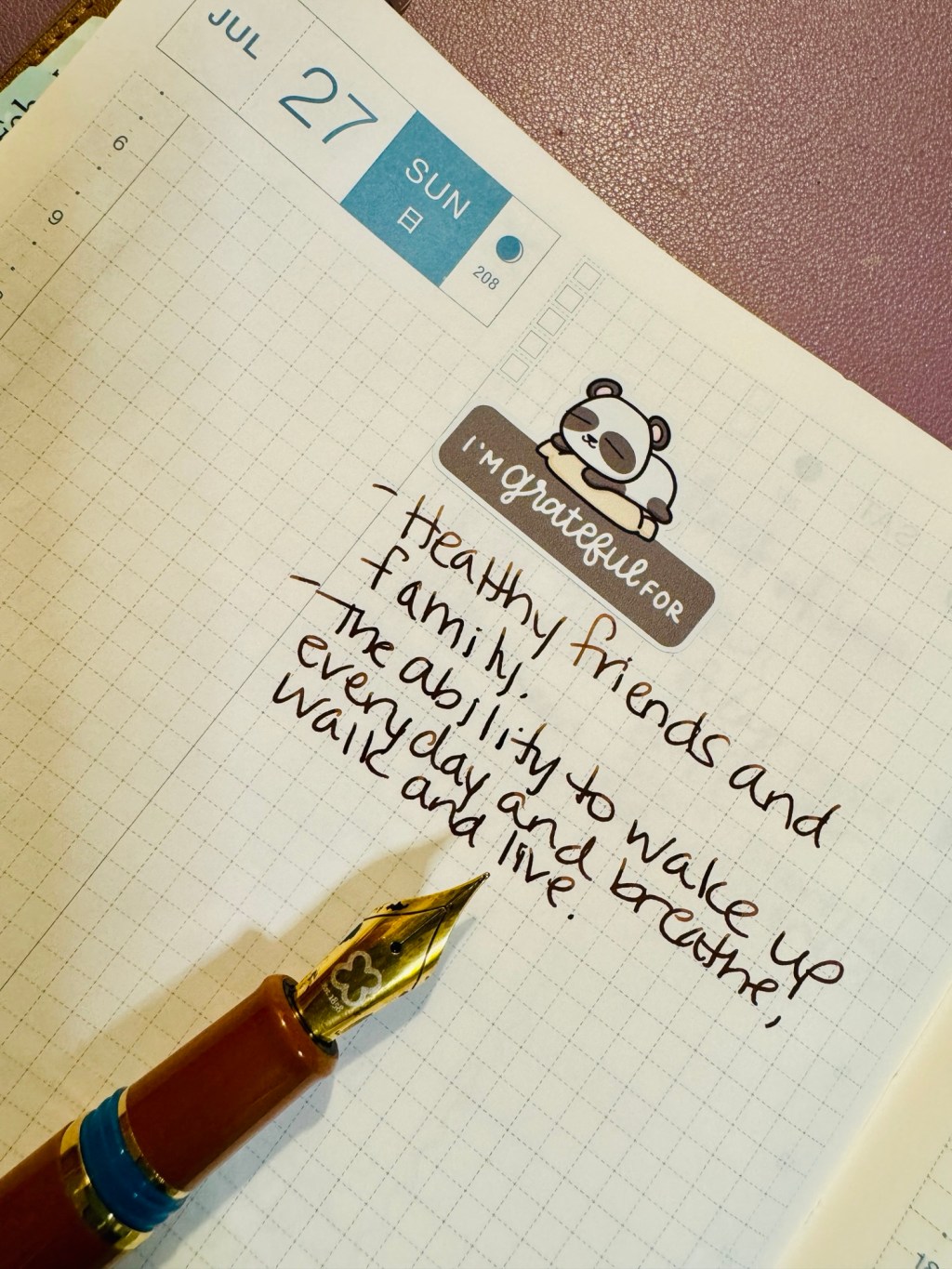
    My journal has become one of my favorite tools for self-care. Jotting down thoughts, mapping out goals, or even writing a gratitude list helps me make sense of the chaos in my day. It’s in these quiet moments with pen and paper that I find clarity, process my feelings, and sometimes stumble on new insights I didn’t know I had.

    Connection in a Digital World

    For me, in an age where instant messages and brief digital exchanges rule the day, stationery feels like my invitation back to something real and heartfelt. There’s a special warmth in sending or receiving a handwritten letter or card that no email or text can capture. I love the little rituals: picking out the perfect notecard, writing out my thoughts, maybe finishing it off with a wax seal or a cheerful sticker—those details show how much I care.

    Nothing quite compares to the simple joy of exchanging mail with friends, joining a pen pal club, or leaving a handwritten note on a colleague’s desk. These small acts help me push back against the impersonal buzz of digital life, reminding me—and hopefully those I write to—of the power and comfort of the human touch.

    The Joy of Collecting

    For me, collecting stationery is truly a source of joy. I’m endlessly fascinated by the world of paper goods and writing instruments. There’s always a new variety, color, or design that catches my eye. My heart skips a beat when I find that new item that I “must have”. Sometimes, I admit, my enthusiasm borders on obsession, but connecting with others who share this passion whether it’s on Instagram or through this blog—makes it even more meaningful. We all have our “thing,” and for me, this is it.

    Wrapping up: Why I still love stationery

    Honestly, even with so many digital tools out there and everyone talking about going paperless, I still can’t help but love all things stationery. There’s just something about it that feels real and grounding—like it’s both a tool and a little companion for anything from a wild idea to a simple to-do list.

    Maybe that’s what keeps me hooked: no matter how fast things change, the feeling of fresh paper under your hand, or the perfect pen gliding across a page, never really gets old. Whether I’m adding to my collection, doodling for fun, or sending a note to someone I care about, stationery always brings me back to what matters. It’s a small but wonderful reminder that sometimes all you need is a blank page to feel inspired.

  • Bettering your handwriting: A friendly guide

    Getting Back to the Fun of Writing by Hand

    Handwriting used to be a big deal—a sign of education and style—but these days it’s easy to forget about it with all the texting and emailing we do. Writing a letter or leaving a quick note isn’t as common as it once was. Still, whether you want to tidy up your handwriting for yourself, work, or just for fun, it’s totally doable and worth the effort. Changing your writing habits can take a little time and patience, but if you like using a nice pen (and you know I do!) and seeing your own words on the page, you’ll probably find it pretty rewarding.

    Why Good Handwriting Matters

    Handwriting isn’t just about getting your thoughts on paper—it’s actually pretty personal. It shows a bit of who you are, and it can even feel kind of artistic when you get into it. In a world packed with emails and texts, getting a handwritten note stands out and feels special. Whether it’s a thank you, a quick message, or even something you jot down for yourself, putting pen to paper brings a little more connection, both with others and with your own thoughts.

    Why Bother Improving Your Handwriting?

    • Clarity and Legibility: Clear handwriting ensures your message is understood without effort.
    • Therapeutic: Writing by hand can be calming and offers a helpful break from digital devices, giving you a chance to step away from screens.
    • Enhanced Cognitive Function: Studies show handwriting engages the brain in ways typing does not, improving memory and comprehension. Writing by hand can improve both short-term and longer-term memory because it requires you to use more of your brain.
    • Better focus and Concentration: Writing by hand takes more time, therefore allowing you to focus on the content of what is being written. This leads to better retention and understanding of the information.
    • Enhanced Creativity: The process of writing by hand can spark creative thinking and mindfulness.

    Getting to Know Your Own Handwriting

    Before you dive into trying to improve your handwriting, take a second to see what it actually looks like right now. Just jot down a quick paragraph about anything—maybe what you did today, some random thoughts, or even how you feel about your handwriting. That way, you’ll have something to look back on and see how much you’ve improved.

    Ask yourself:

    • Is it easy to read?
    • Are the letters consistently sized and spaced?
    • Do you tend to rush and scribble, or do you take your time?
    • Are there certain letters or connections that look awkward?

    This little self-check gives you a better idea of what you might want to work on. When I tried it, I noticed my handwriting mixes print and cursive—so things can get messy if I write fast. My print letters are usually easier to read, so that’s where I put most of my effort when I’m trying to tidy things up.

    Essential Tools for Better Handwriting

    Though any pen and paper will do for practice, the right tools can make the process more enjoyable and productive.

    • Choose the Right Pen: Experiment with different pens—gel, fountain, ballpoint, or felt-tip—to find what feels most comfortable in your hand. A pen that glides smoothly encourages fluid motion and control. I find that the size of the nib makes a difference in the clarity of my penmanship, so I like more fine tips as a preference.
    • Select Quality Paper: A smooth, sturdy paper prevents snagging and allows for more legible writing. Lined paper is helpful for keeping your writing straight and evenly sized.
    • Consider Grips and Guides: Pen grips or ergonomic pens can help if you experience discomfort. Lined or grid paper can assist with alignment and sizing.
    • Worksheets: I found this worksheet to be very helpful, and it is free to download and print. There is also a website called, worksheetworks.com where you can put in “handwriting” in the search bar and practice documents are available for download.

    I can share that at first when I was practicing my handwriting, it did feel like I was back in grade school again. The more I practiced and started seeing glimpses of improvement, I let go of my ego and realized that going back to basics is what I needed if I wanted to improve my penmanship.

    Fundamentals of Good Handwriting

    Posture

    The way you sit and hold your pen actually matters quite a bit. Just get comfortable—plant your feet on the floor, keep your back relaxed, and don’t hunch your shoulders. Let your forearm and wrist rest lightly on the table, and don’t grip the pen too tightly. If you’re tense, your hand will get tired and your writing might look a bit stiff.

    Word Spacing

    Keeping a good amount of space between your letters and words makes your writing much easier to read. Try not to squish your letters together or space things out too much. If it helps, you can lightly draw some pencil lines to keep yourself on track. Making sure your writing stays lined up and looks even just makes everything look a lot nicer.

    Exercises to Improve Handwriting

    Practice Makes Perfect

    Before I start my practice, I like to shake out my hand to help me get loose.  I found that the more relaxed I am when writing, the better my handwriting tends to look.

    • You can practice drawing loops, circles, vertical lines, and zigzags.
    • Write the alphabet in both upper and lowercase slowly and deliberately.
    • Trace over printed examples of handwriting you wish to emulate. Muscle memory helps a lot here.
    • Try spending just 10 or 15 minutes a day practicing your handwriting. It doesn’t have to be a big deal—quick, regular sessions work way better than trying to cram it all in at once.

    Developing Your Unique Style

    You don’t need to copy anyone’s handwriting exactly—just work on making your own easier to read and a bit more you. Once you’re comfortable with the basics, try adding your own twists, like a little flair, a different slant, or even some fun ink colors. Let your style show through in the way you write.

    Overcoming Common Challenges

    Rushed or Messy Writing

    I tend to rush, so if your writing starts looking messy when you’re in a rush, just slow down a bit—even if that means you don’t get as much done. It’s better to focus on neatness first. As you practice more, speed will follow.

    Making Handwriting a Habit

    I have tried to integrate handwriting into my daily life. I have started keeping a journal (which is the reason I want to improve my handwriting). I plan to send more handwritten notes and write more where I can. These small acts reinforce your practice and make handwriting an enjoyable ritual rather than a chore.

    Wrapping up: Why handwriting still matters

    Working on your handwriting is really just about taking your time and having a bit of fun with it. As you get into the habit, your letters will get easier to read and you’ll probably feel more comfortable jotting things down. In a world full of texts and emails, slowing down to actually write something by hand is kind of special—it makes what you say feel more personal. So grab a pen, don’t stress about perfection, and let your handwriting show a bit of who you are. If you are anything like me, just go out and buy LOTS of pens and try them all!

    I wish you well on your journey to better handwriting!

  • Selecting the Perfect Fountain Pen Ink for You

    How to Pick the Right Fountain Pen Ink for YOU

    Choosing fountain pen ink doesn’t have to be tricky or daunting—it’s all about finding what works for you! With so many colors, brands, and special features out there, picking the right one can feel a bit overwhelming at first. But don’t worry—I can talk you through the basics and help you match your pen and style with the perfect ink.

    Heads up: If you’re new to filling a fountain pen, just know that “inky fingers” is basically a rite of passage. Congratulations in advance on your temporary blue (or green, or purple) fingerprints—true proof that you’re joining the club!

    Cartridges or bottled ink: The practical choice

    First, you’ll need to decide between ink cartridges and bottled ink. The pen you choose may take one or other or maybe both. Both options have benefits, but it ultimately depends on preference. I enjoy filling ink and seeing the reservoir fill.

    • Cartridges are convenient and easy to use, ideal for those who prioritize speed and don’t want to deal with converters or potential messes. However, the color selection is usually more limited. 
    • Bottled inks, on the other hand, offer an endless array of colors and properties, but require more frequent cleaning if you’re swapping colors often. Converters allow you to refill cartridges with an ink of your choice, so you can have the best of both worlds.

    The Various Types of Ink

    Beyond color, fountain pen inks have many unique properties that can greatly affect your writing experience.

    • Dye based Ink: This is the most common type of ink and are water based.  This ink is known for its smooth flow and ease of cleaning. Types of uses would be for everyday uses such as note taking, letter writing, journaling, etc.
    • Pigment based Ink: This ink contains solid pigment particles which tend to last longer over time. Pigment based ink has a greater resistance to fading and water damage. Enthusiasts will want to watch their pen for clogging and will need to clean their writing instrument more frequently. Types of uses would include important documents or addressing envelopes.
    • Shimmering Ink: Inks which contain fine, glitter-like particles which are typically silver or gold.  These particles add sparkle and flair, perfect for artistic expression or journaling. However, these inks require more frequent cleaning to prevent clogging.

    Ink flow & drying time

    The “wetness” or “dryness” of an ink affects how it flows through your pen.

    • Wetter inks flow more quickly and smoothly and may be more prone to bleeding on certain papers.
    • Drier inks are thicker and can take longer to dry. A dry ink may not be ideal for fast note-taking or left-handed writers.

    Pen and paper compatibility

    • Pen compatibility: Not all inks are suitable for all pens. Some pens are more sensitive to specific inks, and it’s essential to check the manufacturer’s recommendations.
    • Paper Quality: The type of paper you use can significantly impact the ink’s appearance and behavior. Higher quality paper is better at resisting feathering and bleed-through.

    Cleaning and maintenance

    Regular cleaning is crucial to prevent clogging and maintain optimal ink flow. It’s recommended to clean your pen whenever changing ink colors or if it’s been left unused for an extended period.

    • Flush your pen with clean water (distilled is recommended).
    • A bulb syringe can be helpful for flushing out cartridges or converters.
    • Soaking the nib and section in water for a few hours can help remove dried ink.
    • For stubborn clogs, consider a pen flush solution.
    • Always avoid using calligraphy ink or other non-fountain pen inks as they can clog and damage your pen.

    Embracing exploration

    The community of fountain pens and the inks available is huge and full of possibilities for personal expression. Don’t be afraid to play around with different colors and brands to find what works best for you and your pens. I have many different brands that I have tried, some I have liked better than others. I am still trying to figure out my favorite brand.  So much personal preference comes into play when choosing your ink. Colorful expression, does it work with the nib you chose? Some inks work well with fine nibs or better with medium or others. Start a sample page and keep track of your favorites.  This will allow you to refine your choices and make informed decisions for your writing journey.

    By considering these factors and exploring the community of fountain pen inks, you’re well on your way to finding the perfect companions for your writing adventures. Happy writing!

  • Superman Pen & Ink Collection: A Must-Have for Fans

    Superman in theaters, Friday, July 11, 2025

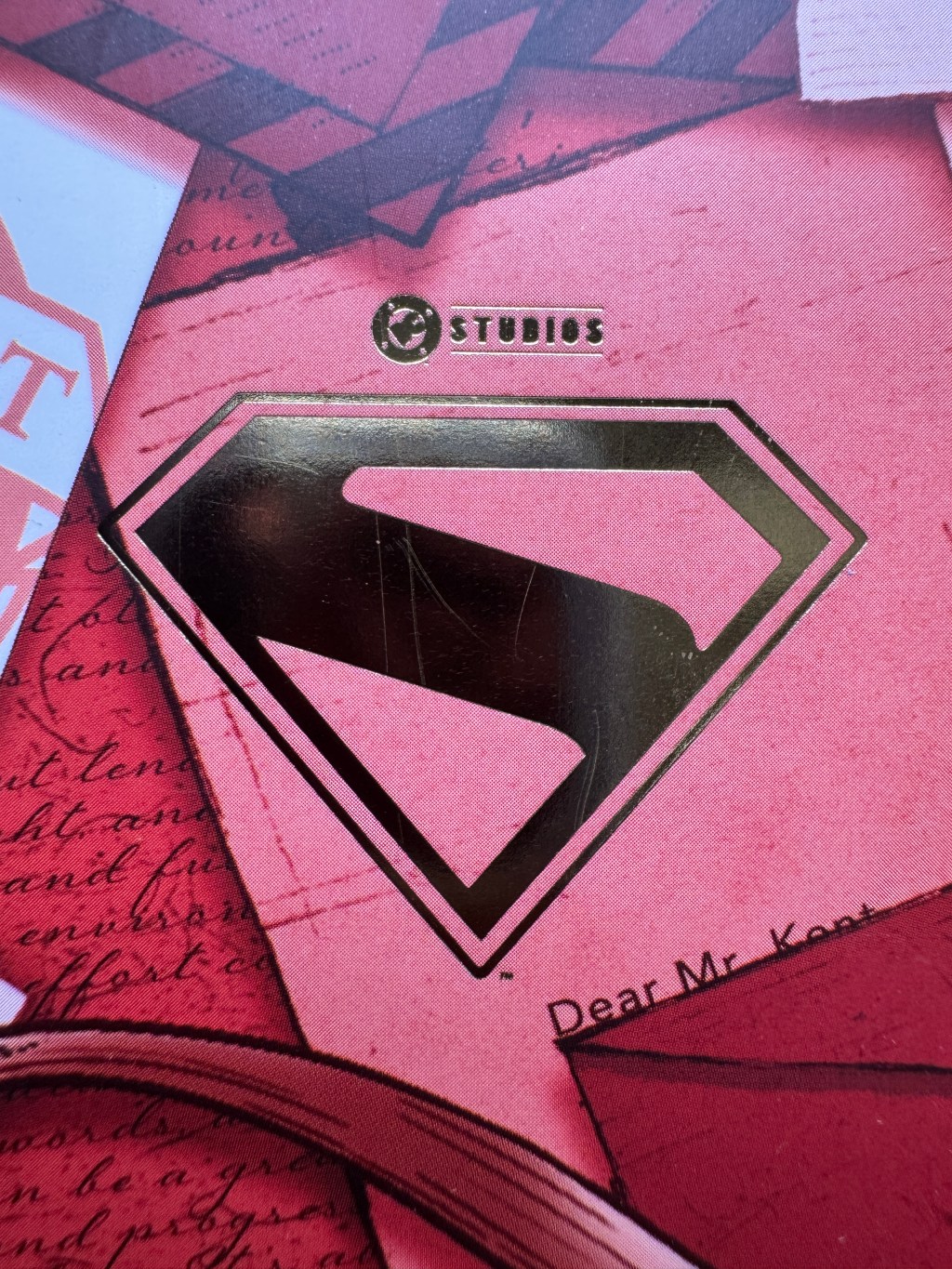
    The Ferris Wheel Press Special Edition Warner Bros. | Superman Pen & Ink Collection has arrived. I chose the red “Voice of Metropolis” version; the other options are “Fortress of Solitude” (icy blue) and “View from Above” (classic blue). The set features high-quality craftsmanship, with a nib displaying the Superman logo and impressive attention to detail throughout. 

    The first thing you will notice about this pen and ink set is the quality. The Nib is beautiful and shows the Superman logo. The attention to detail is striking and makes this special edition even more special.

    “It’s not an S, on my world it means hope.” – Superman

    The nib option is a matter of preference; this version has a fine nib. The combination of the red ink paired with the fine nib allows for precise writing. Red ink may not be your thing, but the rich color of the red ink can be used for so many things, and the color is beautiful. Whether you are editing copy, sketching, or writing in your journal, this pen is a great option and performs well! Highly recommend especially if you are a Superman fan!

  • How Journaling Can Boost Your Creativity and Clarity

    Starting a Journal: A Simple Habit

    In a world that moves fast and demands more of us each day, journaling offers a rare opportunity to pause, reflect, and reconnect—with ourselves. It can be a way to learn more about yourself and be able to do some self-reflection which in turn can lead to a happier self.

    Why Start Journaling?

    Journaling isn’t just about recording your day. And it doesn’t have to be just one thing. I have always wanted to start journaling, but never knew where to start, but understand the “why” can help you find a jumping off point. Journaling can be a tool for:

    • Clarity: Writing helps untangle thoughts and emotions.
    • Growth: It reveals patterns, progress, and areas for improvement.
    • Gratitude: A gratitude journal, in particular, can boost happiness and resilience
    • Creativity: Free writing can unlock ideas and insights you didn’t know you had.

    How to Begin

    You don’t need fancy notebooks or perfect grammar. Just start. Here are a few tips:

    • Pick a time: Morning reflection or evening wind-down—consistency helps. It can be hard to be consistent, but making an effort is enough. Be kind to yourself if you miss a day. Journaling is meant to be for you – not another avenue to produce stress.
    • Start small: A few sentences are all you need. Use prompts like “Today I noticed…” or “I’m grateful for…” to get started. You can also search online for journal prompts to spark your thoughts.
    • Be honest: This is for you. Let go of judgment.
    • Experiment: Try bullet journaling, sketching, or voice notes if writing isn’t your thing.

    What to Write About

    • Daily highlights or challenges
    • Goals and progress
    • Gratitude lists
    • Reflections on conversations or decisions
    • Dreams, ideas, or creative sparks

    The Payoff

    Over time, journaling transforms from a habit into a reflection of yourself. It allows you to track your growth, process experiences, and focus on what truly matters. I’m still fairly new to it, but I genuinely look forward to my daily prompt and the chance to reflect and be introspective. It might not be for everyone, but if you’ve ever considered trying it, I’d encourage you to give it a shot.

  • Choosing the Right Nib for Your Fountain Pen: A Quick Guide

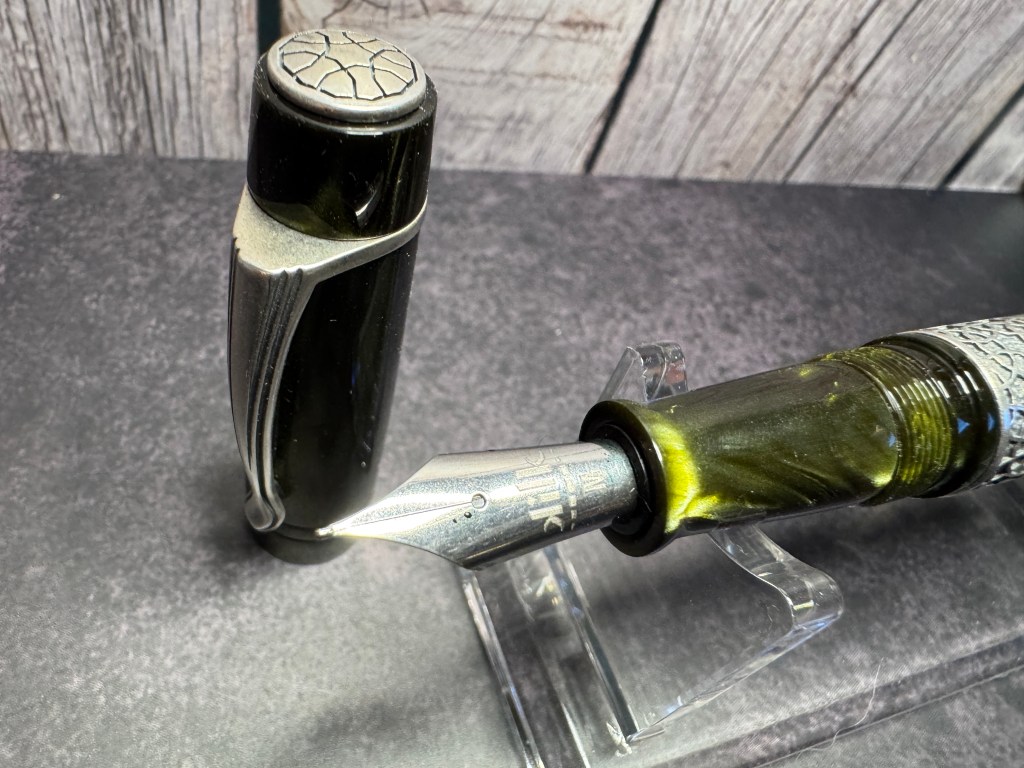
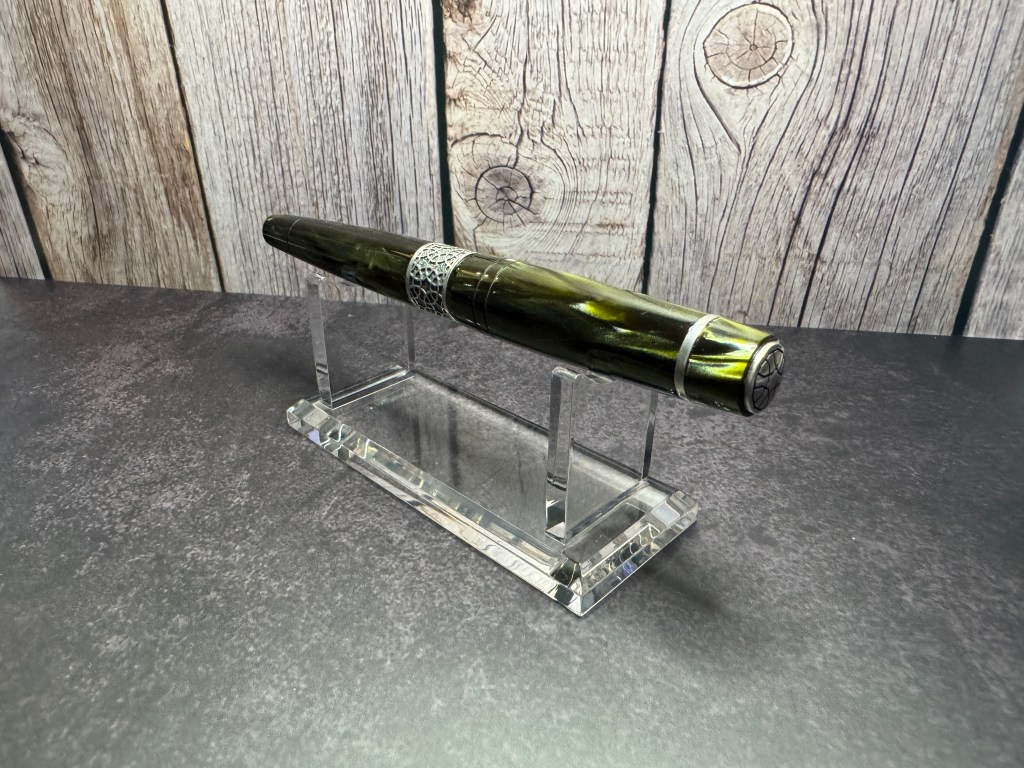
    There’s something undeniably enchanting about a brand-new fountain pen—especially when it’s the Kilk Celestial in Emerald. That deep, rich shade of green is electric with intricate Celtic patterns and holding it for the first time truly felt like a rite of passage into the world of fine writing. The artistry and functionality of this pen add intention to every single stroke. 

    As I’ve discovered, writing with a fountain pen isn’t just about putting words on a page. It’s about infusing each letter with elegance and personality. Mastering this skill requires a specific technique, which involves a combination of proper posture, precise control, and—above all—consistent practice. The more you write, the more your unique style begins to take shape. 

    If you’re eager to refine your own fountain pen style, you’re in luck! There are countless YouTube channels bursting with tips and demonstrations. One important aspect you’ll run into early on is the choice of nib size. When I first purchased my Celestial, it came with a medium nib. At the time, I had no idea how nib size could impact my writing experience. Now, after much experimentation, I’ve discovered that a fine nib suits my handwriting best. 

    Curious about which nib is right for you? Here’s a quick guide to the most popular types: 

    • Extra fine nib – Perfect for intricate details, fine drawings, or ultra-precise writing. 
    • Fine nib – The everyday writer’s favorite! It offers a delicate line that’s slightly wider than extra fine but narrower than medium. 
    • Medium nib – Ideal for those who like making bold statements or writing with a bit more flair. 
    • Broad nib – Great for signatures and bold headlines, these deliver the boldest lines. 
    • Stub 1.1 nib – A calligrapher’s delight! The flatter edge makes it perfect for italics and creative lettering. 

    Of course, this is just the beginning—there are so many other nibs waiting to be explored as you find your own groove. My advice? Start with the basics, experiment with what feels comfortable, and let your writing evolve naturally. The journey is half the fun! 

  • The Impact of Rude Customer Service on Brand Loyalty

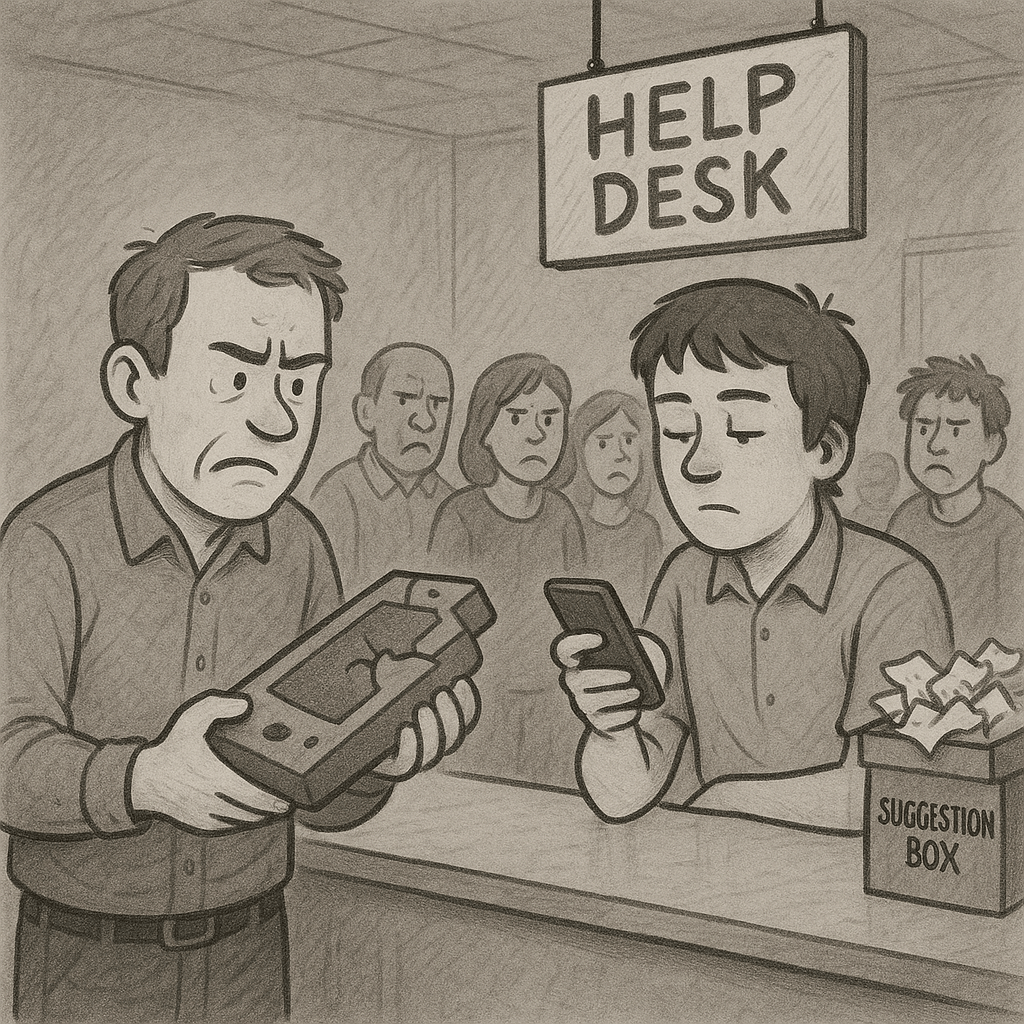
    Recently I was on the receiving end of a rude email from a product that I truly enjoyed. This blog was started to identify and talk about my love of all things pens. I had reached out to a vendor to talk about starting an online store, and while I thought it was a reach being a start up, I thought it was worth a try. They visited my site and proceeded to make assumptions and aggressive comments about the content of one of my posts. I had reached out to them first because their product was among my favorites, and to say I was disappointed in their response is an understatement.

    This experience led me to the question: Can bad service lead you to abandon something you previously loved?

    My answer to this question (right now anyway) is yes, I am not purchasing anymore of their products. When I see one of their pens I am reminded of how disappointed I was when I read their response. I did respond letting them know I didn’t appreciate the aggressive email to which they apologized, but whatever…too late, damage done. All they had to do was ask questions and I would have been happy to answer their questions. I have spent a considerable amount of money on their products because they truly are amazing, but I will be moving on to find my next best favorite brand!